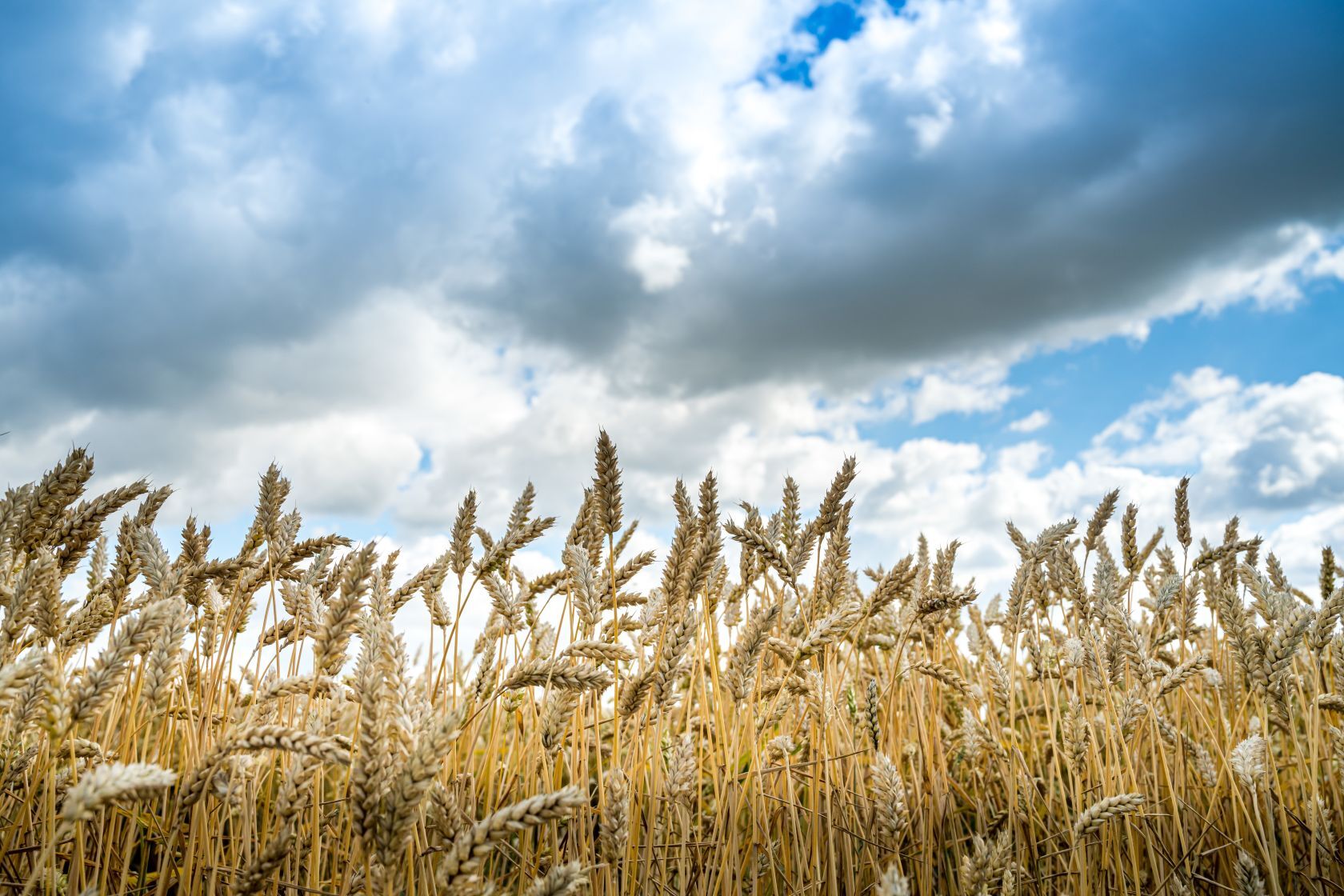
Senior Partner at Baikal Lobridge, Anastasia Tsvetkova, has shared her insights in the Vedomosti column “A Poor Harvest Year”.
In the article, the author examines how geopolitical instability and growing resource constraints are reshaping the discussion around sustainable development.
Developments in the Middle East are gradually changing the very framework in which ESG and sustainability are discussed. What was once viewed as largely optional is increasingly being considered through the lens of a state’s fundamental resilience — from energy and water to food security.
Today’s economy critically depends on uninterrupted access to resources and logistics. When this chain is disrupted, the impact quickly moves beyond individual sectors and begins to affect the macro level — from inflation to social stability.
Anastasia Tsvetkova highlights several factors that are bringing resource sovereignty to the center of the agenda:
disruptions in energy supplies and rising energy costs;
The key shift, the author notes, is that resilience is no longer defined solely by production volumes, but increasingly by a country’s ability to manage resources, control costs, and maintain critical infrastructure.
Even if the current crisis de-escalates quickly, the underlying logic has already changed: issues such as self-sufficiency, access to resources, and the ability to manage them are likely to play an increasingly central role in national economic strategies — regardless of ideological frameworks.
The full column is available on the Vedomosti website.
In the article, the author examines how geopolitical instability and growing resource constraints are reshaping the discussion around sustainable development.
Developments in the Middle East are gradually changing the very framework in which ESG and sustainability are discussed. What was once viewed as largely optional is increasingly being considered through the lens of a state’s fundamental resilience — from energy and water to food security.
Today’s economy critically depends on uninterrupted access to resources and logistics. When this chain is disrupted, the impact quickly moves beyond individual sectors and begins to affect the macro level — from inflation to social stability.
Anastasia Tsvetkova highlights several factors that are bringing resource sovereignty to the center of the agenda:
disruptions in energy supplies and rising energy costs;
- instability in fertilizer and agrochemical markets;
- logistical constraints and higher freight rates;
- rising costs of food processing and packaging;
- pressure on cold-chain infrastructure;
- higher insurance premiums and persistent structural costs;
- currency volatility in food-importing countries;
- vulnerabilities in water infrastructure and desalination systems.
The key shift, the author notes, is that resilience is no longer defined solely by production volumes, but increasingly by a country’s ability to manage resources, control costs, and maintain critical infrastructure.
Even if the current crisis de-escalates quickly, the underlying logic has already changed: issues such as self-sufficiency, access to resources, and the ability to manage them are likely to play an increasingly central role in national economic strategies — regardless of ideological frameworks.
The full column is available on the Vedomosti website.